
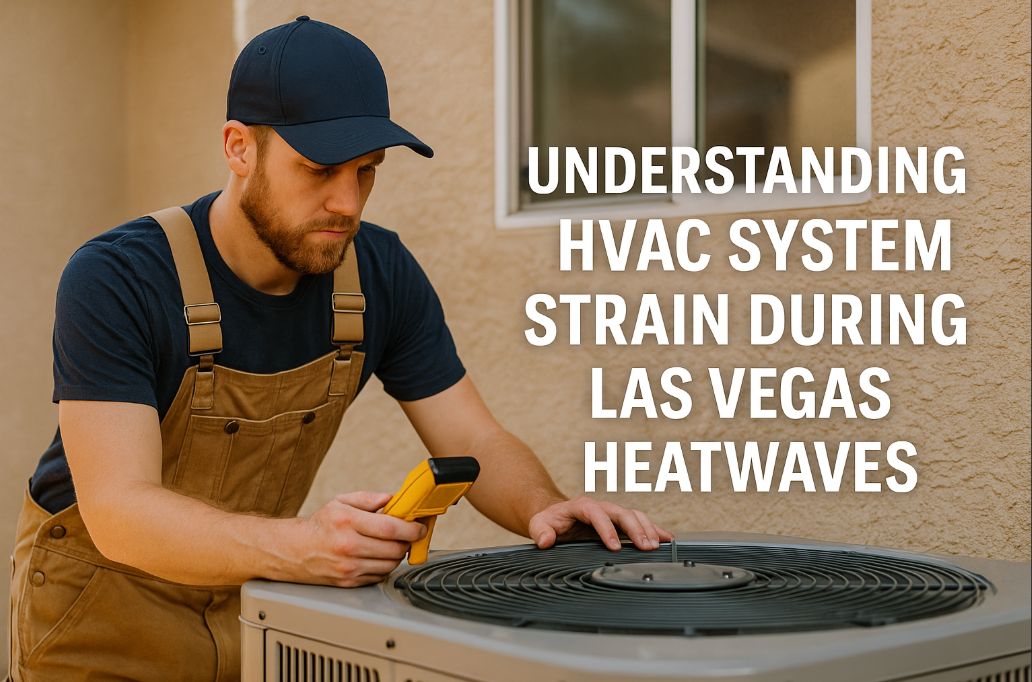
When a Las Vegas heatwave rolls in, your air conditioning system becomes a lifeline. But while the thermostat on your wall gives you control over the temperature, it doesn’t show the full story of what your HVAC system is enduring behind the scenes. Beneath that quiet hum is a complex machine working overtime—compressors compressing, fans blowing, coils exchanging heat, refrigerant circulating under pressure. And during prolonged periods of 110°F+ days, this machine is under siege.
Understanding HVAC system strain isn’t just for technicians. Homeowners who grasp how extreme heat affects performance are better equipped to make smart decisions—reducing breakdowns, extending system life and maintaining year-round comfort. This in-depth guide explores what happens behind the thermostat during a Las Vegas heatwave, why stress accumulates and how to defend your system with smart, preventive care.
1. The Anatomy of an AC System Under Stress
The core components of an air conditioning system include:
– Compressor: Pressurizes refrigerant to pump it through the system.
– Evaporator Coil: Absorbs indoor heat and humidity.
– Condenser Coil: Releases heat outdoors.
– Blower Fan: Circulates indoor air across the coil.
– Motor run assist/Contactors: Manage electrical surges and start/stop mechanisms.
In extreme heat, these parts must run longer and harder than they were typically designed to. Continuous operation causes faster wear, higher electrical load and—in older or poorly maintained systems—eventual failure.
2. Compressor Overload: The Heart of the System at Risk
Compressors are arguably the most vital and expensive part of an AC system. During Las Vegas summers, it’s not uncommon for systems to run 18 hours a day. Prolonged load can cause:
– Thermal overload: If refrigerant isn’t removing heat fast enough, internal temperatures spike.
– Electrical overheating: Old wiring and aging motor run assist increase resistance.
– Lubricant breakdown: Oil viscosity drops at high temps, increasing wear.
Once a compressor overheats repeatedly, even if it recovers, long-term damage is accumulating. In some Wave service cases, units that went unmaintained for just two seasons needed full compressor replacement—costing thousands.
3. Dirty Coils and Clogged Airflow: Silent Performance Killers
Coils are heat exchangers. The evaporator coil absorbs heat; the condenser releases it. But Las Vegas air carries dust, pollen, construction debris—and all of it gets trapped in the coils if not cleaned.
– A dirty evaporator coil freezes under load.
– A dirty condenser coil can’t eject heat, forcing the compressor to work longer.
Wave Heating & Cooling includes coil cleaning in all summer prep services. Customers who skip this step often report reduced cooling and longer cycle times, not realizing their system is choking from the inside out.
4. Electrical Components and the Danger of Summer Failures
Motor run assist and contactors are small but mighty. A failing capacitor means your fan or compressor won’t start. A pitted contactor may stop electricity from flowing, causing intermittent or total system failure.
In 2023, one Wave client in North Las Vegas experienced severe AC outages in one summer—all due to failing motor run assist. This common, preventable failure underscores the importance of annual inspections. Heat accelerates degradation—especially with rooftop systems.
5. The Role of Refrigerant Levels and Superheat Testing
Low refrigerant doesn’t just mean “less cooling.” It also means:
– High superheat readings (excess heat not absorbed)
– Compressor overload due to inadequate pressure
– Coil icing, reducing airflow even more
Wave’s technicians use digital superheat/subcool tools to measure and adjust refrigerant charge accurately. Overcharged systems are equally dangerous—leading to excessive pressure and valve damage. Getting it right isn’t guesswork; it’s science.
6. Airflow Matters: Filters, Vents and Return Registers
Inadequate airflow raises system temperatures dramatically. Las Vegas homes with single return registers or blocked vents experience higher duct pressure and poor circulation.
Wave often finds homeowners using incorrect filter types (too restrictive)or with furniture blocking supply vents. These “minor” issues drastically increase operating temperature and cycle time—adding stress to every system component.
7. Preventive Maintenance as a System Shield
Routine HVAC maintenance is the best defense against heatwave breakdowns. Here’s what Wave includes in a standard summer tune-up:
– Full electrical diagnostic
– Refrigerant level measurement
– Coil inspection and cleaning
– Blower and motor checking
– Thermostat calibration
– Filter replacement (if provided by customer) and airflow optimization
Homes enrolled in service plans have 80% fewer emergency calls during summer—proven by five years of Wave customer service logs.
8. Real Case Study: Downtown Las Vegas Condo Breakdown
A 2-bedroom unit suffered back-to-back compressor trips in July 2022. The system was only 6 years old. After emergency inspection, Wave found:
– A bulging start capacitor
– A partially blocked condenser coil
– Incorrect airflow settings for a recently replaced duct section
A few hundreds $ service call saved the homeowner from several thousand $ compressor replacement. This case highlights how system strain isn’t always obvious—but is always cumulative.
Final Thoughts: Prepare Before the Heat Arrives
HVAC strain during Las Vegas heatwaves is inevitable—but system failure doesn’t have to be. With regular preventive care, smart airflow adjustments and early detection of wear components, your system can stay strong all summer.
Understanding what’s happening behind the thermostat empowers you to act sooner, spend less and enjoy more reliable comfort—no matter how high the mercury climbs.
Comments are closed