
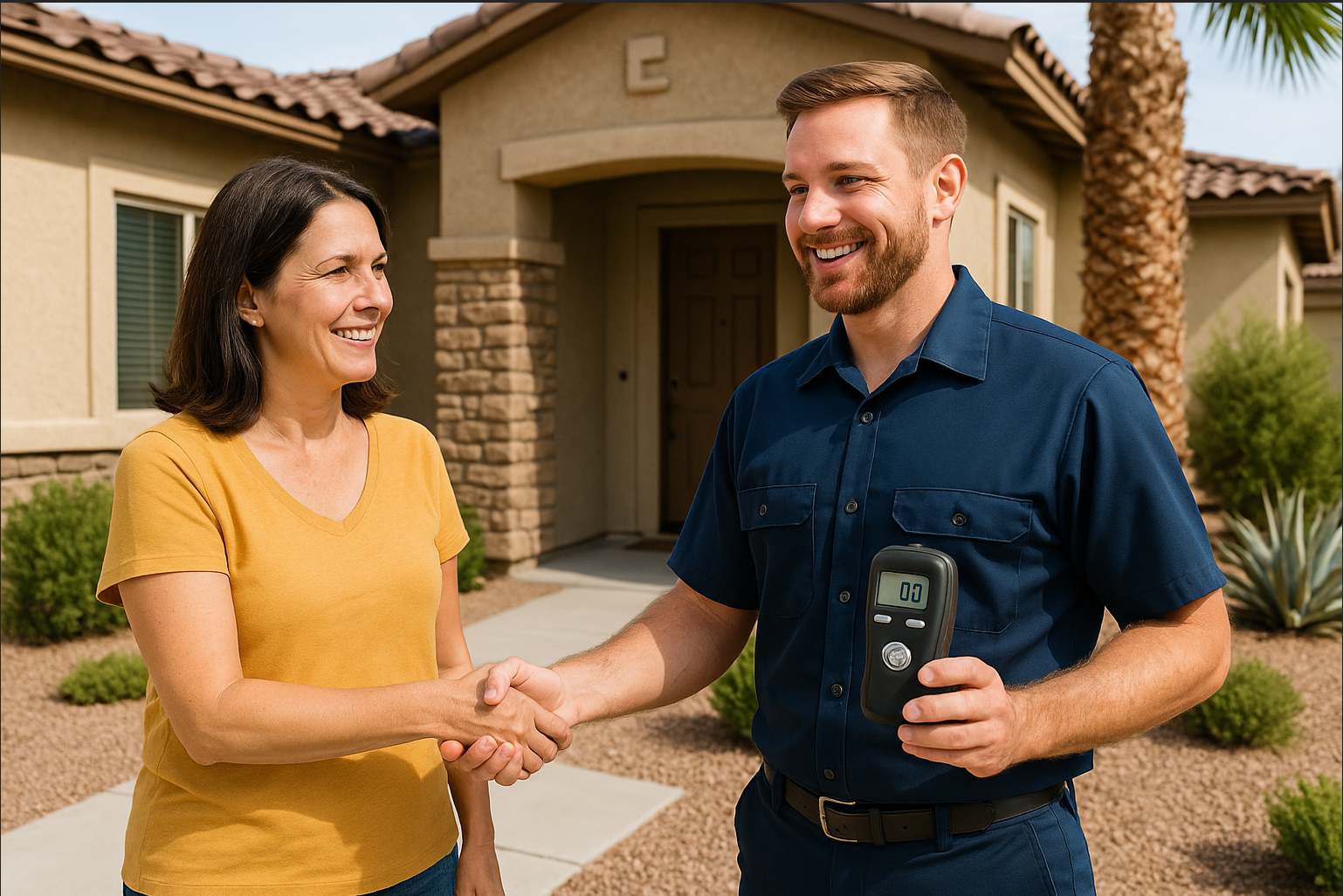
The human side: how symptoms can look in real life
Early CO effects can mimic a winter cold or “just being tired”: dull headaches, dizziness or nausea that fade when you step outside for fresh air. If multiple people feel off at the same time or pets seem unusually lethargic indoors but perk up outside, take it seriously. Open windows and doors, step out to fresh air and call for help. It’s always better to have a false alarm than to miss a real one.
Making CO safety second nature at home
Think of CO prevention like buckling a seatbelt: you don’t plan to crash, but the habit costs nothing and protects you if the unexpected happens.
- Put CO detector testing on your calendar the same day each month.
- Buy filters in a 2- or 3-pack so you always have one ready.
- Keep a clear zone around the furnace and water heater – paint cans and holiday boxes live elsewhere.
- Walk the vents when you take out the trash – two minutes to glance at outdoor terminations.
- Tell guests the garage idling rule. Most people simply don’t know.
These small habits almost eliminate the “we never thought about it” scenarios that lead to problems.
Special situations (and what to do)
You rent your home.
If detectors are missing, request installation in writing. Keep a battery unit in the bedroom area in the meantime. If you smell gas or a detector sounds, leave and call emergency services first, then contact the property manager from outside.
You have elderly family, small children or someone with respiratory conditions.
Consider extra detectors – for example, one in the main hallway and another in the bedroom cluster. Place them where they can be heard easily at night.
You travel often.
Use a smart thermostat or home monitoring service that can alert you if indoor temperatures fall unexpectedly (suggesting a heating failure). It won’t detect CO, but it helps prevent related cold-weather risks and prompts a check-in from a neighbor.
You’re converting from a gas furnace to a heat pump.
Great move for comfort and safety. Keep detectors anyway if you still have a gas range or fireplace and while the old furnace and venting are being removed or reconfigured – construction phases are when odd things can happen.
When DIY stops and the specialist steps in
It’s empowering to do simple checks yourself and you should. But part of being a smart homeowner is knowing when to hand the wrench to someone who does this every day.
Call a specialist if:
- You see soot, scorch marks or unusual flame patterns.
- The furnace short-cycles or smells odd during operation.
- A CO alarm has sounded, even briefly.
- You can’t locate exterior vent terminations or they look wrong.
- You’re unsure about where detectors should go or how many you need.
- You want a calm, once-a-year tune-up and walkthrough so you never wonder.
A good technician makes CO prevention feel boring – and boring is wonderful when it comes to safety.
Simple checklist you can tape inside a cabinet
Monthly:
- Test all CO detectors.
- Glance at the HVAC filter; replace if it looks gray or clogged.
Seasonally (start of winter and after major wind events):
- Confirm the furnace and water-heater vents outside are clear.
- Make space around equipment and sweep cobwebs/dust.
- Review thermostat settings and ensure you can reach a pro’s number quickly.
Always:
- Never idle a vehicle in an attached garage.
- Never use an oven to heat the home.
- If a CO alarm sounds, get outside first, then call for help.
Final word: calm, consistent and simple
CO safety isn’t about memorizing technical terms – it’s about consistent, simple habits that remove the biggest risks. Detectors in the right places. A short seasonal routine. A filter you can see light through. An annual visit from someone who knows what to look for.Do the easy parts yourself. And if anything feels uncertain – or you just want reassurance – call a specialist. In fifteen minutes, a pro can answer questions that might worry you for weeks. That’s time and peace of mind well spent.
Comments are closed